Sustainable Spaces at Tate Modern
- Filed
- 3 June 2026
- Location
- Tate Modern, London
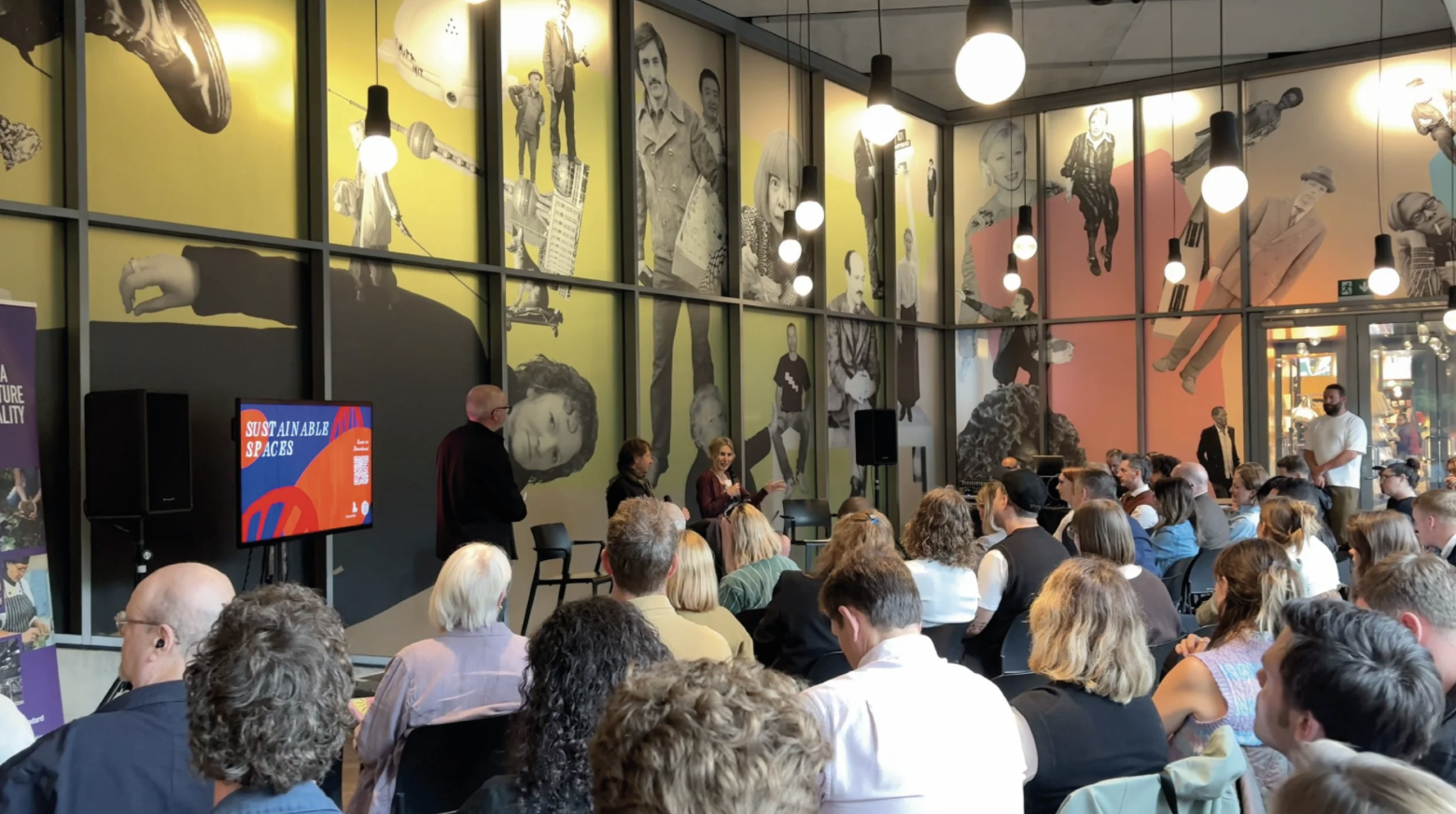
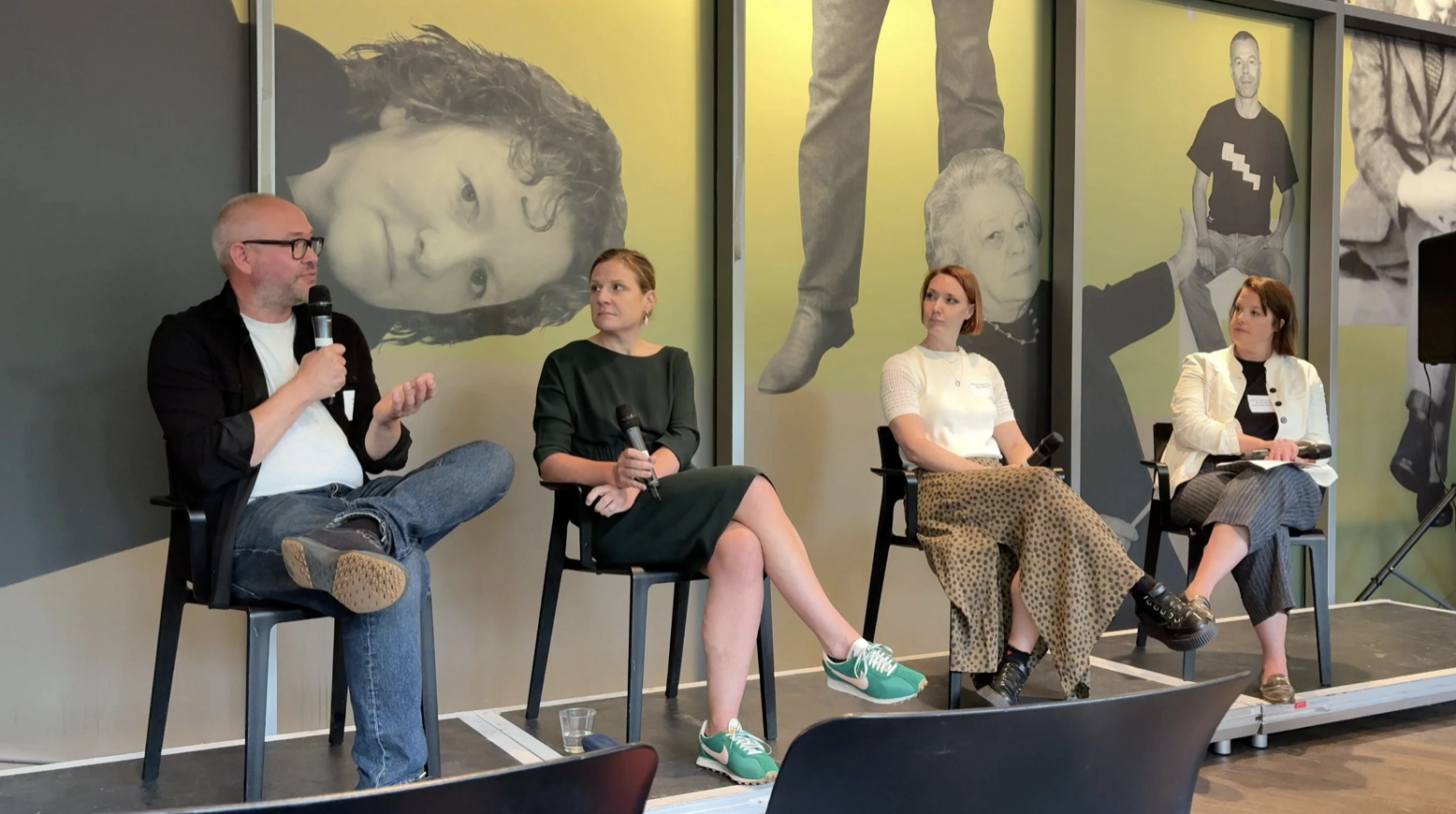
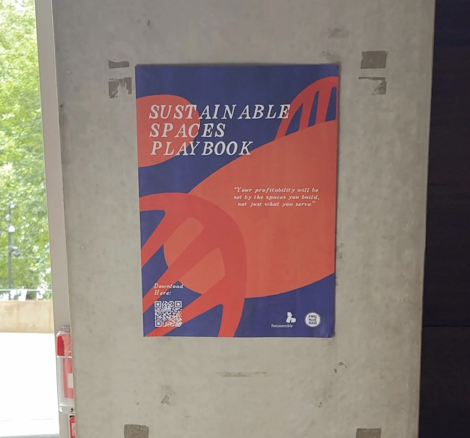
On 3rd June, ModularPlastik attended Sustainable Spaces: The Built Environment Playbook for Next-Generation Hospitality at Tate Modern, hosted by Reassemble and The Sustainable Restaurant Association. The panel brought together David Chenery, Chantelle Nicholson of Apricity, and Michelle Pollard-Smith of GAIL's Bakery.
The strongest theme was the power of small decisions. A material specification, a fixing method, a refurbishment choice can significantly alter a project's environmental impact. Sustainability is rarely one big breakthrough. It is hundreds of small decisions.
Michelle Pollard-Smith shared how one GAIL's location used surfaces made from spent coffee grounds by KAVA. Later, waste from that bakery contributed to surfaces in another location. A genuine closed-loop story in practice.
The consensus: sustainability does not necessarily cost more money. It requires more time, more thought, and more intention.
Designing for adaptability, not perfection
On 3rd June, ModularPlastik attended Sustainable Spaces: The Built Environment Playbook for Next-Generation Hospitality at Tate Modern, hosted by Reassemble and The Sustainable Restaurant Association.
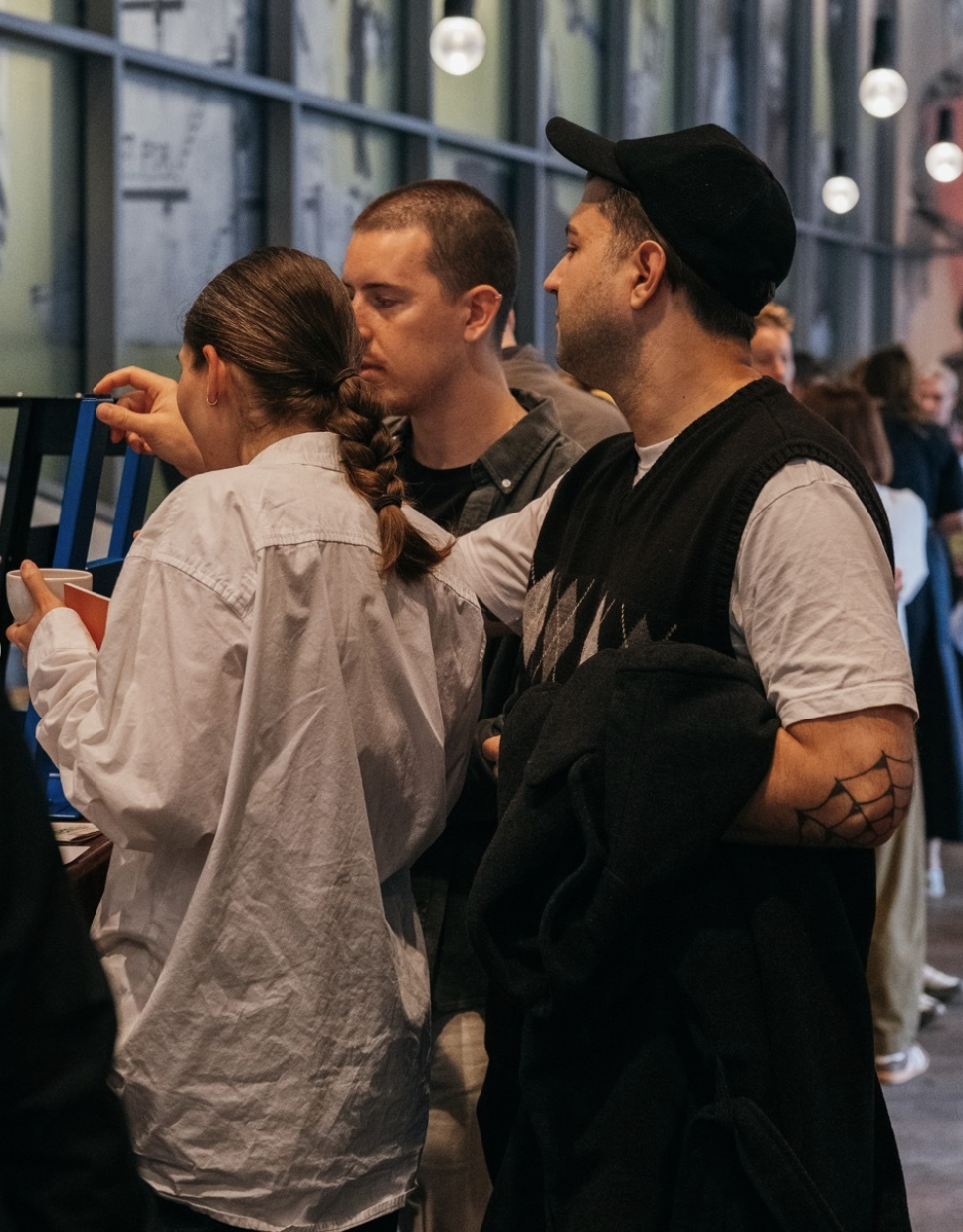
The morning brought together designers, operators, material innovators, and hospitality leaders for a focused conversation on what next-generation sustainable hospitality actually looks like in practice.
The power of small decisions
The strongest theme of the morning was the power of small decisions. A material specification, a fixing method, a refurbishment choice — each can significantly alter a project's environmental impact.
Sustainability is rarely a single breakthrough. It is hundreds of small, intentional decisions made consistently throughout a project's lifecycle.
Circularity in practice
Michelle Pollard-Smith shared how one GAIL's Bakery location used surfaces made from spent coffee grounds by KAVA. Later, waste from that same bakery contributed to surfaces in another location — a genuine closed-loop story rooted in everyday operation, not theory.
It was a reminder that circular systems become real when they are embedded into the working rhythm of a business, not bolted on as a feature.
Repair before replacement
Across the panel, a clear message emerged: repair, reuse, and adaptation should come before new specification. Spaces designed to evolve outperform spaces designed to be perfect on day one.
Sustainable hospitality is less about the polish of a launch moment and more about how well a space can be maintained, reconfigured, and returned to over time.
Cost, time and the courage to take risks
The consensus on cost was direct: sustainability does not necessarily cost more money. It requires more time, more thought, and more intention — and the courage to take measured risks on emerging materials and unfamiliar suppliers.
Embedding a sustainability mindset into the process — from briefing, to specification, to operations — is what separates projects that improve from projects that only describe themselves as improved.
Looking forward
Leaving Tate Modern, one message felt particularly clear. The future of sustainable hospitality will not be defined by perfect projects. It will be shaped by adaptable ones — projects that leave room for learning, prioritise repair before replacement, value relationships as much as materials, and embed the sustainability mindset into the process.
The most sustainable space is not the one that gets everything right from day one. It is the one designed to evolve.