Dutch Design Week 2026: Rethinking Materials and Circular Design
- Filed
- 23 October 2026
- Location
- Eindhoven, Netherlands
Every October, Eindhoven becomes a meeting point for designers exploring what comes next. Dutch Design Week 2026 runs under the theme R.A.W. (Rebel Authentic Worth), bringing together more than 2,500 designers across the city to question how we make, use, and value the things around us.
Among the many projects on show, five caught our attention for the way they approach material innovation. From printing entire architectural structures with recycled compounds to turning discarded plastic tableware into lighting, each offers a different perspective on how materials can be used more thoughtfully.
At ModularPlastik, we are particularly interested in projects that go beyond the visual outcome to question where materials come from, how they are processed, and what happens to them after use.
Here are five projects from Dutch Design Week 2026 that we think are worth a closer look.
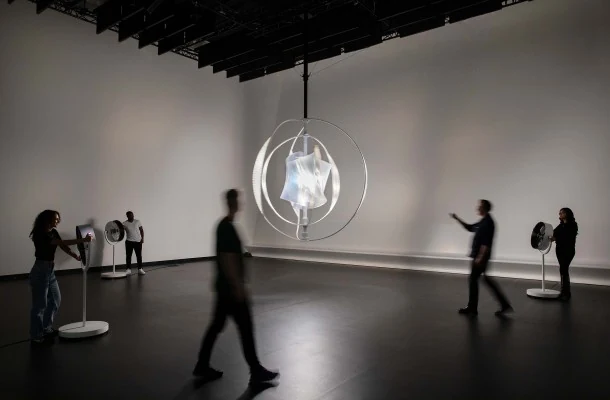
We Harvest Wind: making invisible energy tangible
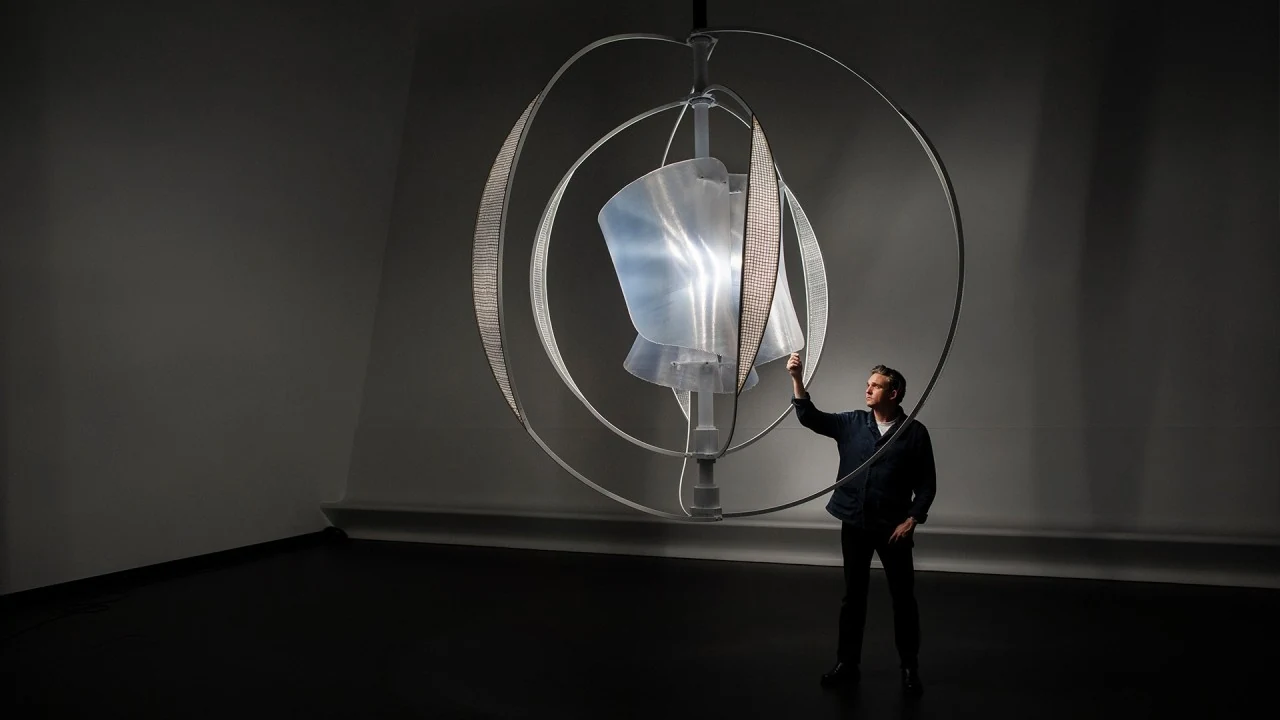
How do you make something as abstract as renewable energy feel real? Ecological artist Thijs Biersteker and electric car brand Polestar approach this question through We Harvest Wind, an interactive installation exploring wind energy, sustainability, and material innovation.
The project translates ideas from Polestar's Life Cycle Assessment (LCA) research into a physical experience. Instead of presenting environmental information only through figures and charts, the installation invites people to engage with the subject through art and interaction.
There is also a material story behind the work. For the installation, Polestar collaborated with Woven Studio to develop a fully biodegradable adhesive, demonstrating how a creative project can become a setting for practical material research.
What stands out to us is the collaboration itself. An automotive brand, an artist, and a material-focused studio bring different perspectives to a shared challenge, resulting in an installation that connects communication, aesthetics, and material development.
It is an interesting example of how collaborations outside traditional product development can open up new directions for design. Sometimes, a creative brief can lead to material discoveries that extend well beyond the original project.
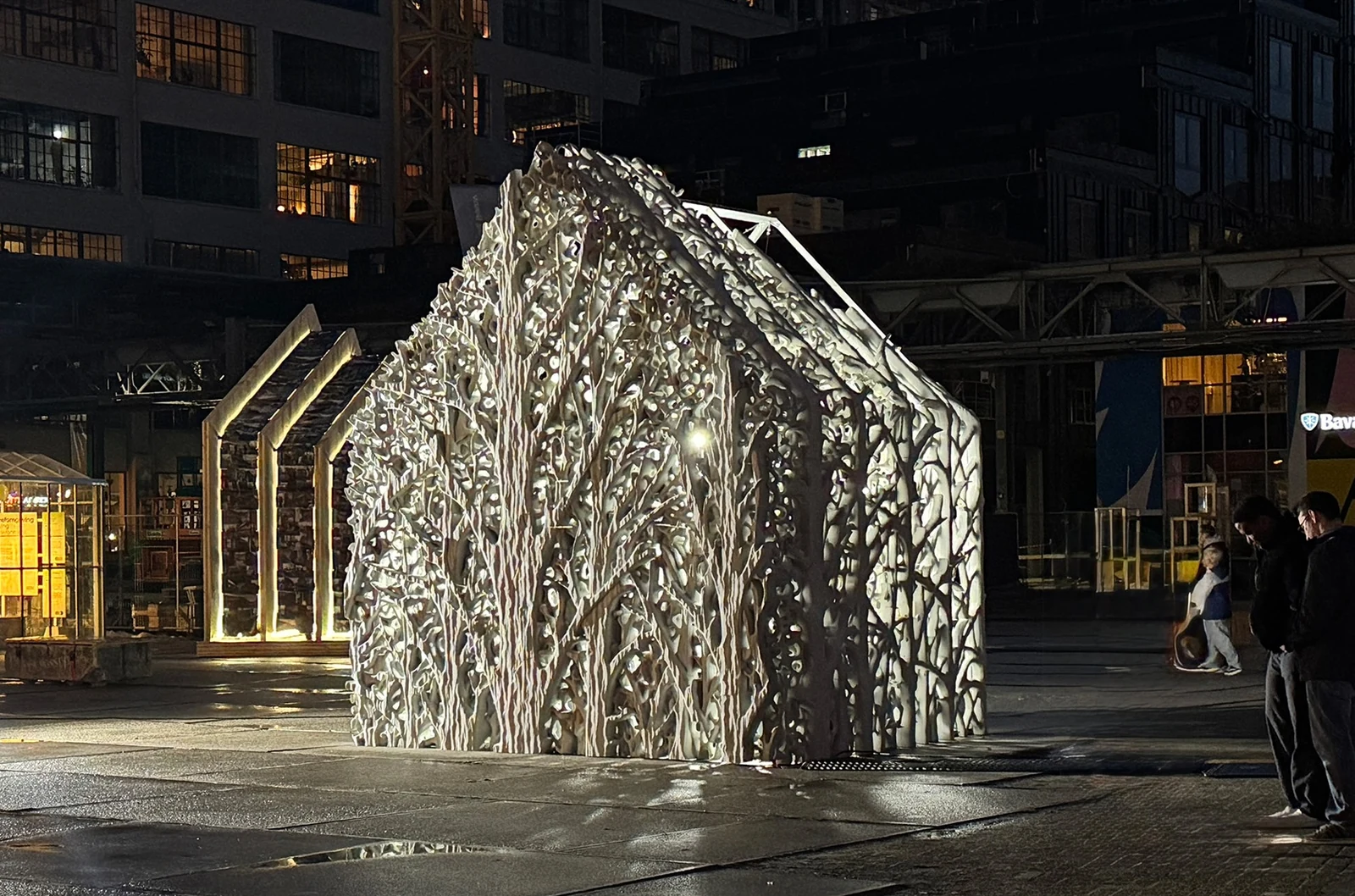
House of Lights: printing architecture with recycled plastic
Industrialised construction has made building more efficient, but it has also encouraged standardisation. With House of Lights, Eindhoven-based TAM Industries explores how 3D printing can bring more freedom back into architectural design.
The full-scale house at Strijp-S is printed using machines developed by TAM itself. Its facade is made up of a single printed structure, with no two panels alike. The colour comes directly from the material, without additional paint or coatings, and the house takes on a different character after dark as it lights up from within.
What interests us most is the relationship between material, manufacturing, and architectural ambition. Rather than adapting a design to fit existing production limitations, TAM develops its own machinery and software to accommodate more complex forms.
It is a compelling example of how automation does not necessarily have to mean uniformity. The bigger question is whether this approach can make individualised architecture more accessible while maintaining the efficiency and repeatability needed for larger-scale production.
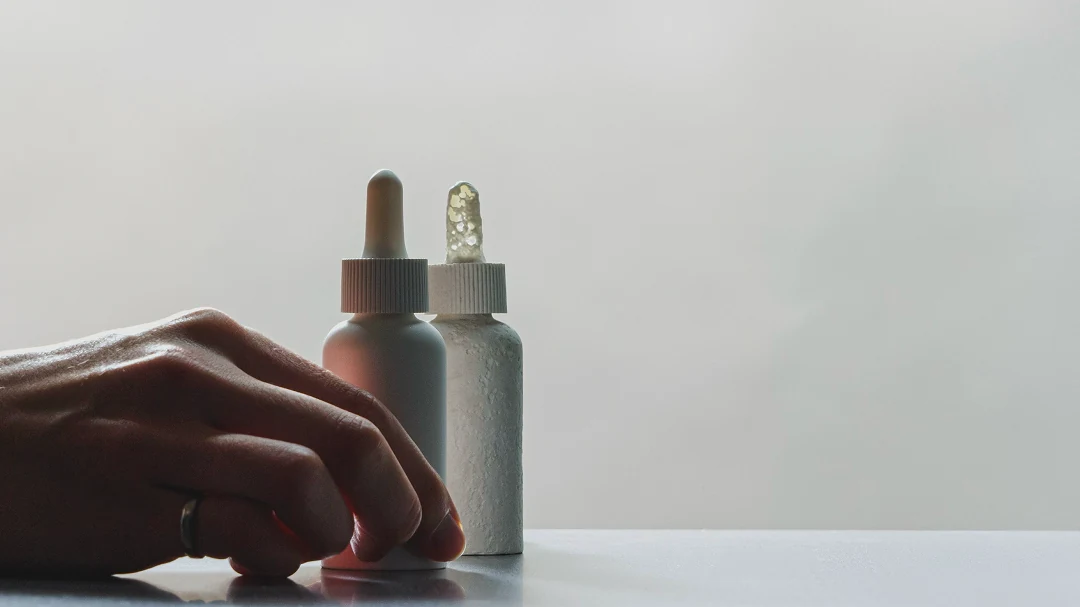
SHELLWORKS: exploring what comes after conventional plastic
Packaging often has a remarkably short useful life compared with the time its material remains in the environment. London-based material innovation company Shellworks is exploring an alternative through VIVOMER, a biopolymer produced using microbial fermentation.
The process uses bacteria to transform plant-based waste into biopolymers that can be developed into materials for everyday products. VIVOMER is designed to offer the functionality needed during use while providing a home-compostable end-of-life option.
What makes this work particularly interesting is that it considers more than the material itself. For alternatives to conventional plastic to make a real difference, they need to work within existing manufacturing processes and meet the practical requirements of the products they are designed for.
SHELLWORKS approaches this challenge through biotechnology, showing how fermentation could become part of the next generation of material production. For us, it raises an important question: how can we choose materials based not only on their performance during use, but also on what happens when that use comes to an end?
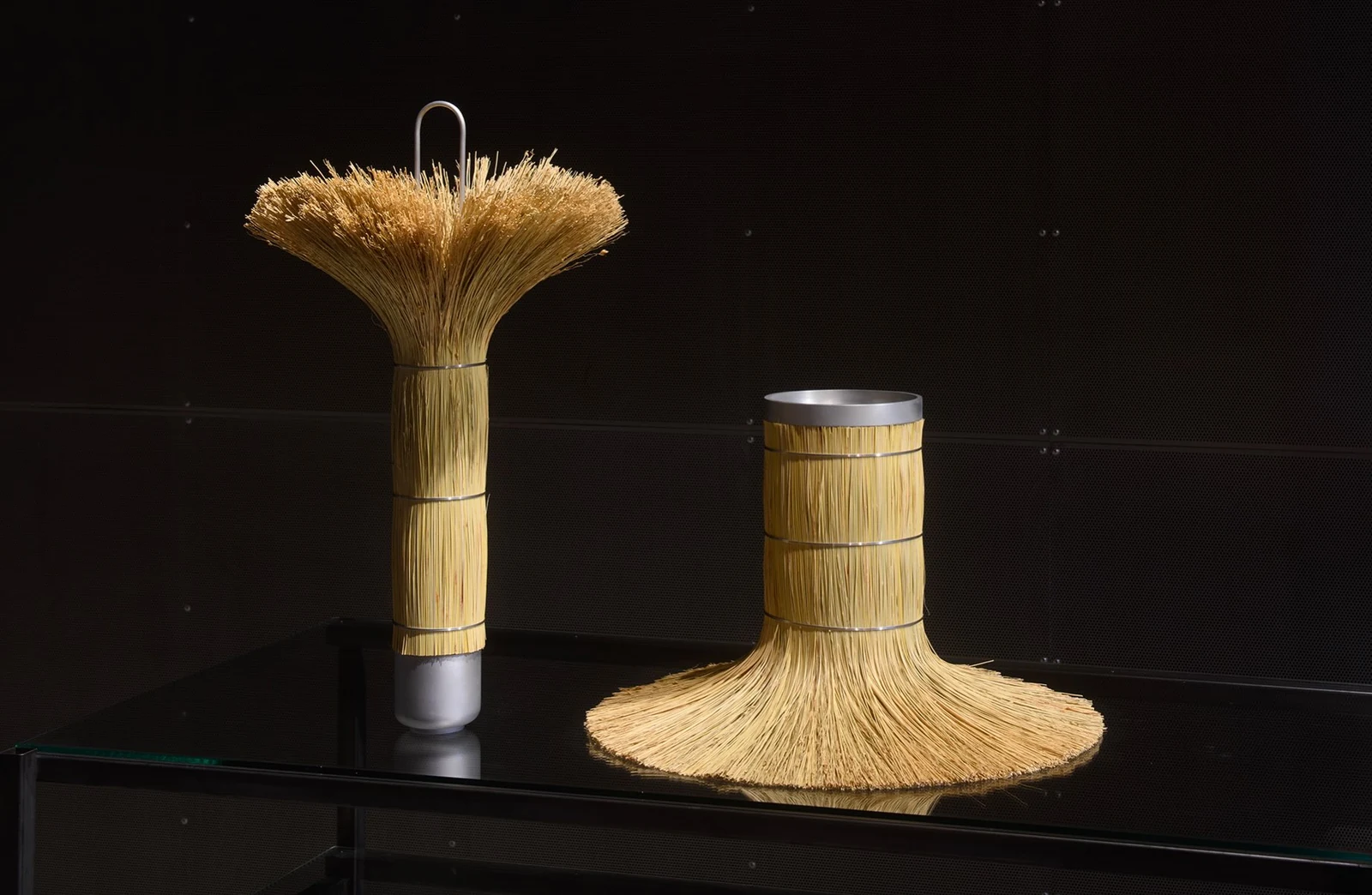
Folk: a material for a changing climate
Not every material innovation starts in a laboratory. Folk, an ongoing project by Eindhoven-based Studio Noff, begins with a crop that has been used for centuries: broomcorn (Sorghum bicolor).
Traditionally grown for its stiff stems, broomcorn has long been used to make brooms and brushes. Studio Noff, founded by Daniel Garber and Amalia Magril, is exploring its potential for contemporary design, looking at its structure, texture, and aesthetic qualities.
The project also connects material research with changing agricultural conditions. Broomcorn is known for its ability to tolerate heat and drought while requiring relatively little water. Working in dialogue with Dutch farmers experimenting with growing the crop locally, Studio Noff is investigating how it could contribute to new material possibilities.
We find this approach particularly relevant as climate change influences which crops can be grown, where they can thrive, and how agricultural resources might be used.
Rather than searching exclusively for new materials, Folk looks at what is already available and asks what else it could become. It is a reminder that material innovation can begin with understanding the land, the people who work it, and the resources that grow around us.
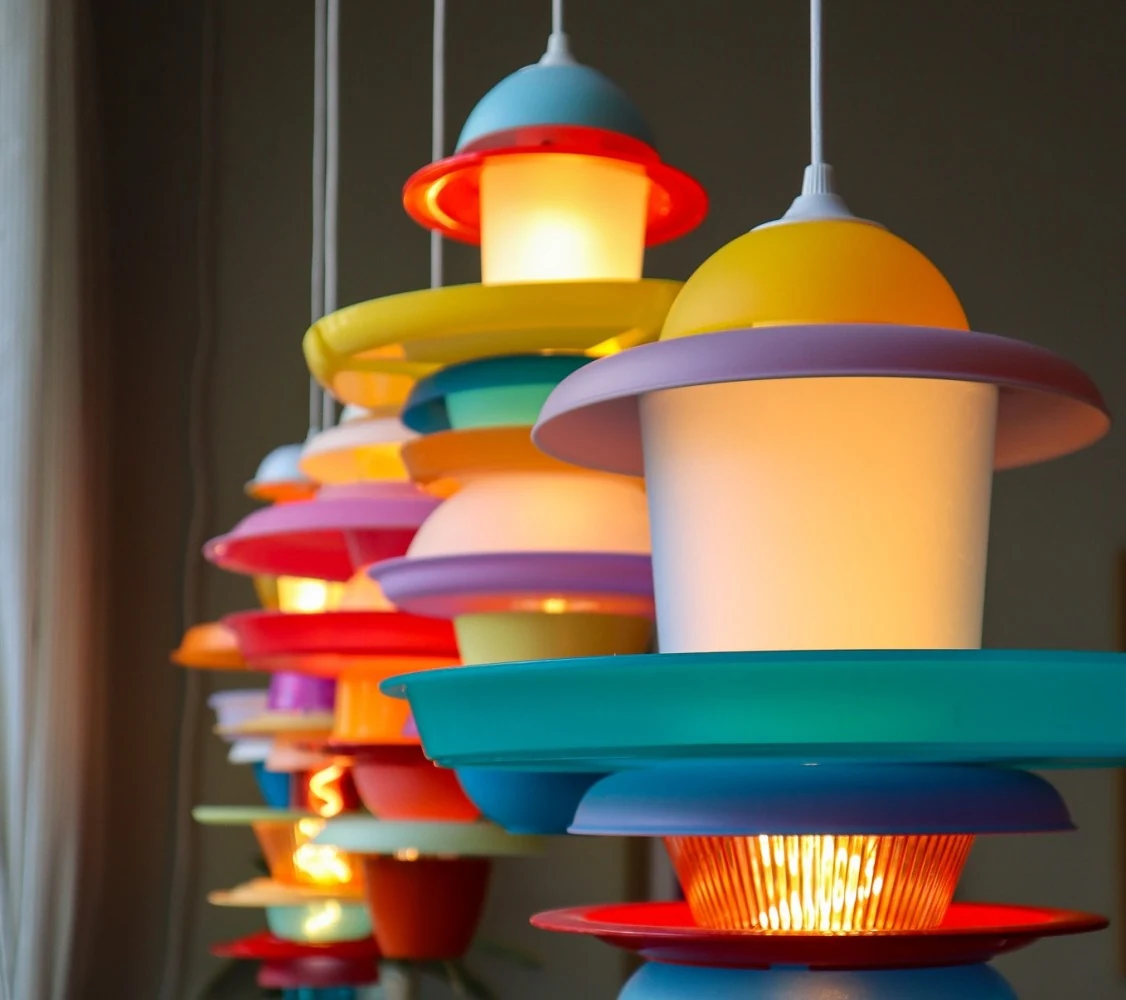
Lumiloop: giving discarded plastic tableware a new purpose
Sometimes, the material we need is already sitting on a second-hand shop shelf. With Lumiloop, Eindhoven-based designer Madeleine Scholtes transforms discarded plastic plates and bowls into colourful lighting objects. Each piece is selected for its shape, colour, and translucency, allowing the original tableware to become part of the light's final appearance.
The result is playful and visually striking, giving familiar everyday objects a completely different role. Instead of being treated as unwanted plastic, they become the main feature of a functional design piece. What we particularly like about Lumiloop is its directness. There is no need to turn the discarded objects back into raw material before using them. Their existing colours, forms, and properties are part of what makes the design work.
This is a useful reminder that circular design does not always require a new material recipe or a complex recycling process. Sometimes, it starts by recognising the value that is already there and finding a new context for it.
Closing perspective
Each project addresses a different part of the same challenge: how can we make better decisions about the materials we use?
At ModularPlastik, we believe circular design is not about finding one perfect material for every application. It is about understanding the properties, origins, production methods, and possible next lives of different materials, then choosing accordingly. It is about the process.
These projects offer plenty to think about, from the scale of a building to the details of a lighting object. More importantly, they show that material innovation can happen in many ways, through new technologies, overlooked resources, and simply looking at familiar materials differently.
Dutch Design Week 2026 runs until 25 October across Eindhoven.